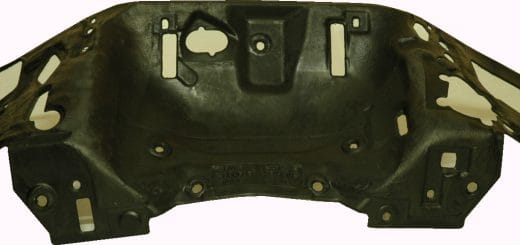
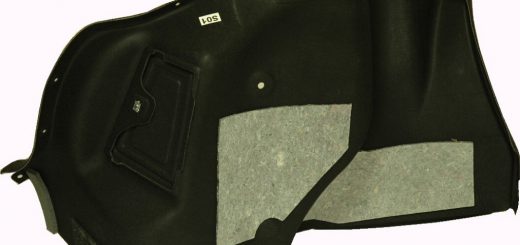
Nonwoven Products and Padding Solutions for the Automotive Industry

Nonwoven Products and Padding Solutions for the Automotive Industry
When it comes to automotive manufacturing, the demand for high-quality materials and innovative solutions is ever-increasing. One such vital material category is nonwoven products and paddings (vatkas). But what exactly are these materials, and why are they indispensable for the automotive sector? Let’s explore the who, what, where, when, why, and how of nonwoven products and paddings in the industry.
Who Uses Nonwoven Products in the Automotive Industry?
Nonwoven materials are utilized by automotive manufacturers and OEM suppliers worldwide. These products cater to various applications, ensuring comfort, durability, and efficiency. Purchasing teams in automotive companies often look for suppliers with expertise in providing tailored nonwoven solutions that meet strict industry standards.
What Are Nonwoven Products and Paddings?
Nonwoven products are engineered fabrics made by bonding or felting fibers together through chemical, mechanical, or thermal processes. Unlike traditional woven fabrics, nonwovens offer superior versatility in terms of strength, weight, and thickness. Paddings, or vatkas, are specialized layers designed to enhance insulation, cushioning, or sound absorption within vehicles.
Key characteristics of nonwoven materials include:
- Lightweight structure
- High durability
- Eco-friendly options
- Customizable design for specific applications
Where Are Nonwoven Materials Used in Vehicles?
Nonwoven products and paddings are integral components in:
- Car interiors: Seat covers, headliners, door panels, and carpets.
- Insulation systems: Acoustic insulation for soundproofing and thermal insulation for climate control.
- Underbody protection: Reinforced materials that resist wear and corrosion.
These products contribute significantly to vehicle performance, comfort, and energy efficiency, addressing both functional and aesthetic requirements.
When Are Nonwoven Products Preferred?
The adoption of nonwoven materials is crucial during:
- Prototyping and design stages: When manufacturers prioritize innovative materials to meet modern trends like lightweight vehicles.
- Mass production: Where cost-effective yet durable solutions are required to meet production timelines.
- Sustainability initiatives: As the industry shifts towards environmentally friendly materials.
Why Are Nonwoven Products Essential for Automotive Applications?
Nonwoven products provide unique advantages, making them essential for automakers:
- Enhanced Comfort: By improving sound absorption and vibration dampening, nonwovens ensure a quieter and smoother ride.
- Cost Efficiency: Nonwoven manufacturing techniques reduce material waste and production costs.
- Eco-Friendly Options: Many nonwoven materials are recyclable or biodegradable, aligning with global sustainability goals.
- Adaptability: The ability to customize these products for various functions makes them indispensable for diverse automotive models.
How to Choose the Right Nonwoven Product Supplier?
To ensure optimal performance, automotive purchasing teams should consider suppliers who:
- Offer customized solutions tailored to specific vehicle needs.
- Comply with international standards such as ISO 9001 or IATF 16949.
- Provide technical support and innovative R&D capabilities.
Conclusion
In today’s competitive automotive market, nonwoven products and paddings are more than just materials—they are solutions that enhance vehicle performance, sustainability, and customer satisfaction. By choosing the right nonwoven supplier, manufacturers can achieve higher efficiency and superior results.
Whether your focus is on interior comfort, acoustic optimization, or lightweight designs, nonwoven materials offer unmatched versatility and value for the automotive sector.